Tree Staking Timing and Support
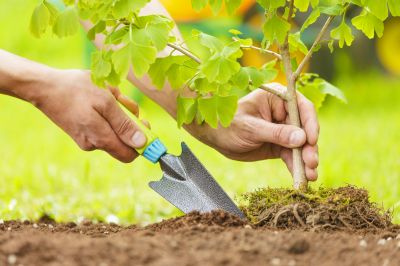
Early spring is ideal for staking young trees before they begin active growth, providing support during critical development phases.
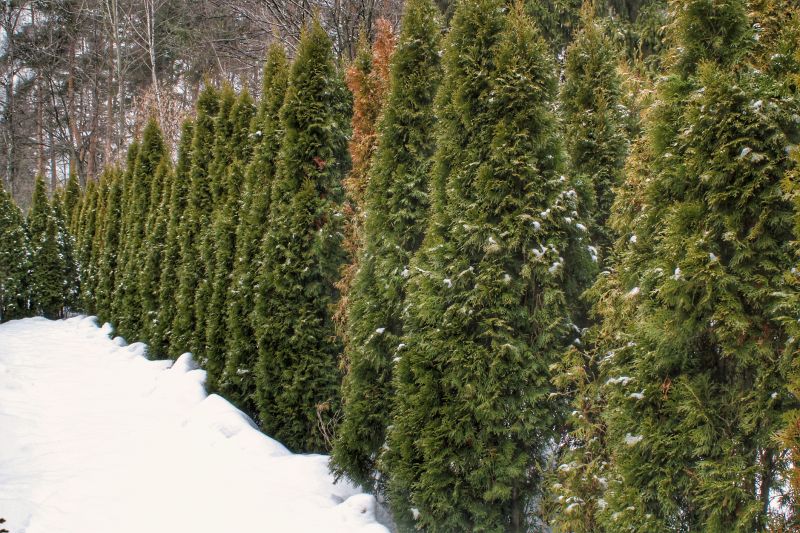
Late winter offers a period when trees are dormant, making it suitable for staking without disrupting growth cycles.
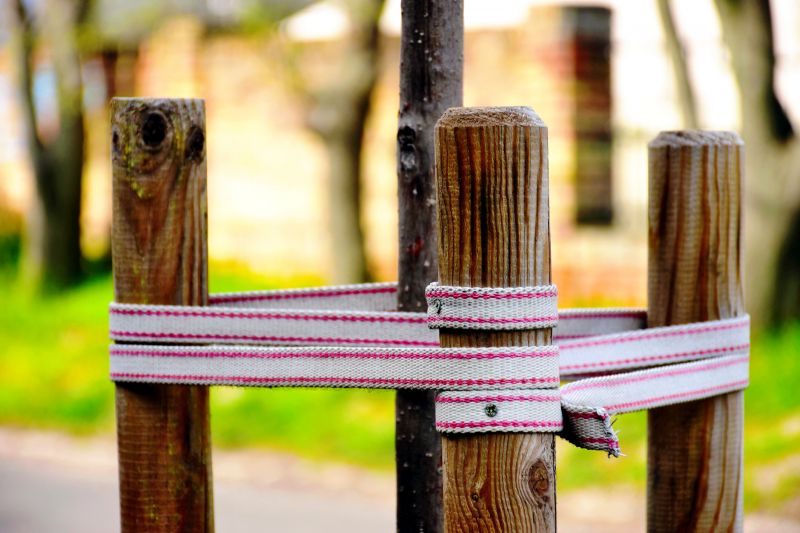
Early fall can be appropriate for staking mature trees to prepare for winter, ensuring stability during harsh weather.
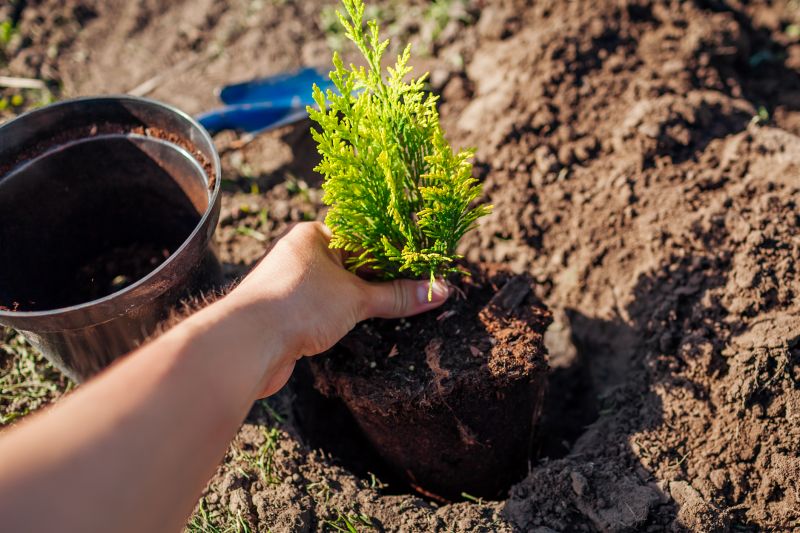
Ways to make Tree Staking Service work in tight or awkward layouts.
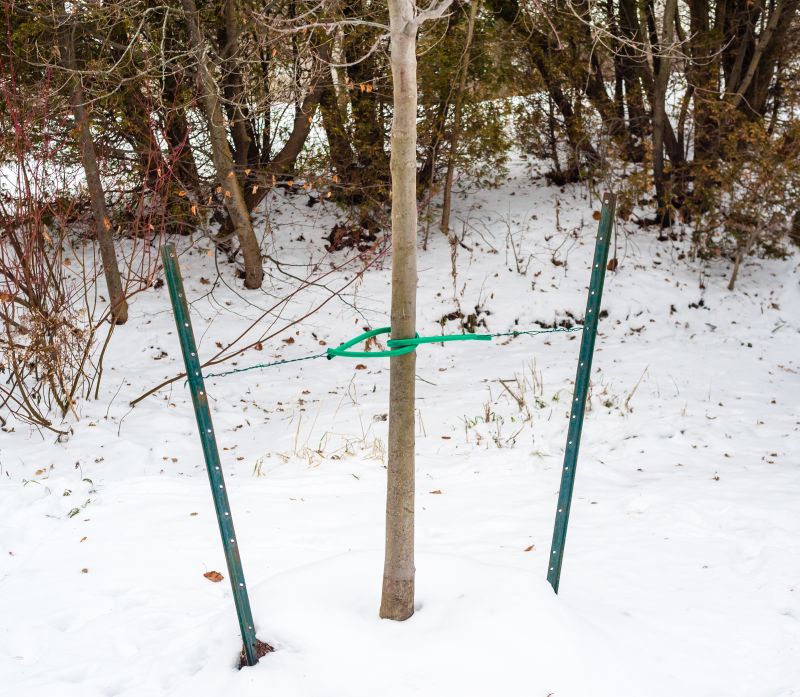
Popular materials for Tree Staking Service and why they hold up over time.
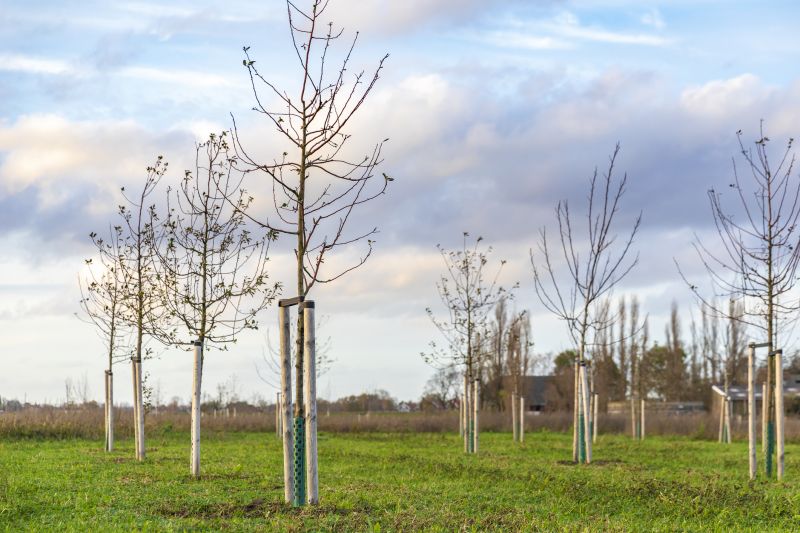
Simple add-ons that improve Tree Staking Service without blowing the budget.
Tree staking is a vital process that provides stability and support to young or newly transplanted trees. Proper staking ensures that trees grow upright and develop strong root systems, reducing the risk of damage from wind or other environmental factors. The timing of staking can influence the success of tree establishment, with the most favorable periods aligning with the tree’s dormancy or early growth stages.
Staking at the right time supports healthy growth and prevents potential damage caused by wind or unstable soil conditions.
Understanding the tree’s growth cycle helps determine the optimal period for staking to minimize stress and maximize stability.
Weather patterns, such as wind intensity and soil moisture, influence the best time for staking to ensure effective support.
Supporting trees during early root development phases encourages stronger anchorage and reduces future maintenance.
Optimal timing for tree staking varies depending on local climate, tree species, and specific environmental conditions. Generally, staking is most effective when done during periods of dormancy or early growth, preventing stress and promoting healthy development. Properly timed staking can significantly improve the longevity and stability of trees, especially in areas prone to strong winds or unstable soil.
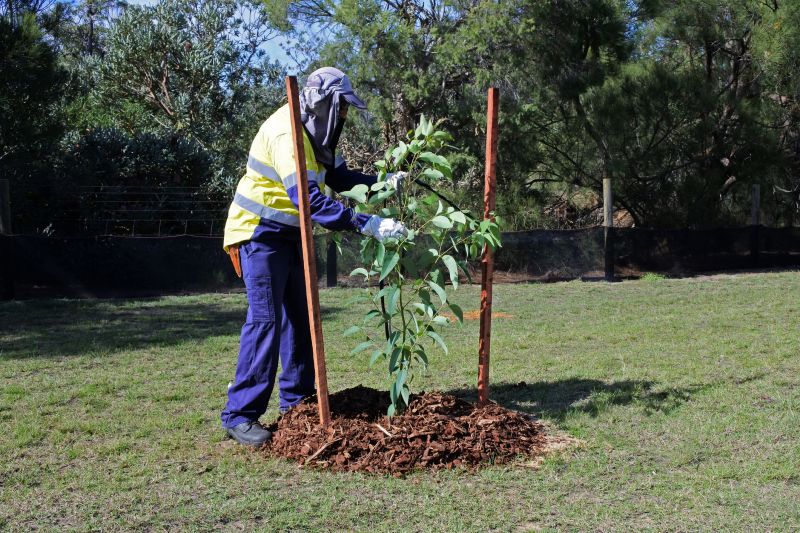
Staking young trees during early spring ensures they develop straight and strong trunks.
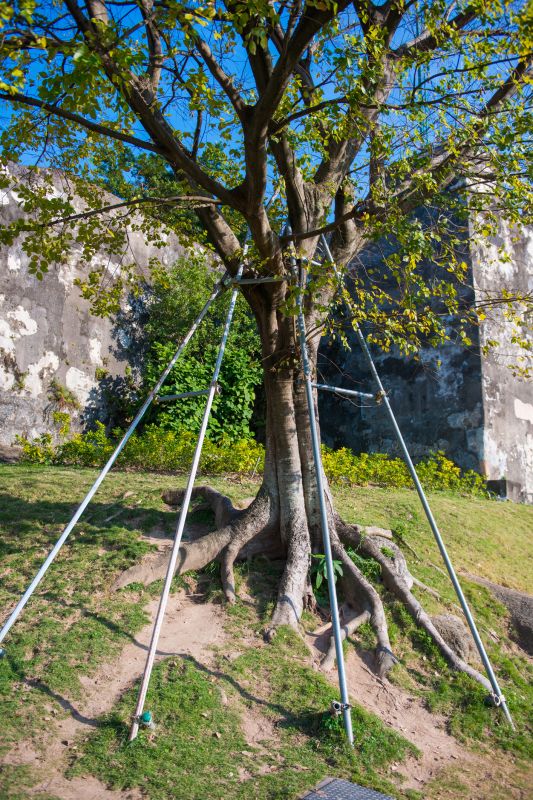
Support during late winter helps transplanted trees settle into their new environment.
Proper timing ensures trees are supported before seasonal storms or high winds occur.

Adjusting staking timing based on seasonal weather patterns optimizes tree health.
| Season | Optimal Staking Period |
|---|---|
| Spring | Early spring before active growth |
| Summer | Not recommended unless necessary for young or transplanted trees |
| Fall | Early fall before winter dormancy |
| Winter | Late winter during dormancy |
| Late Spring | Post-planting support for newly transplanted trees |
| Early Summer | Support during hot and windy conditions |
Timing for tree staking should be aligned with seasonal weather patterns and the specific needs of the tree. Properly scheduled staking enhances stability, supports healthy growth, and reduces the risk of damage during adverse conditions. Consulting with a tree care specialist can help determine the most appropriate timing for each individual tree.