Get Tree Staking Service in Houston, TX
Tree staking services offered by local contractors help Houston property owners stabilize young or damaged trees, preventing wind damage and ensuring healthy growth.
Tree staking services are an important consideration for property owners in Houston, TX, especially when establishing new trees or supporting young specimens during their early growth stages. Proper staking helps ensure trees develop strong, stable roots and maintain an upright growth pattern, which can be crucial for long-term health and aesthetic appeal. Whether planting new trees or reinforcing existing ones, exploring local contractors who specialize in tree staking can provide valuable insights into the most effective methods and materials suited for the Houston climate and landscape.
Property owners seeking to plan landscaping projects or improve the stability of mature trees may find it beneficial to compare different local service providers. Experienced contractors understand the specific needs of trees in Houston’s environment and can recommend staking solutions that promote healthy growth and resilience. Continuing to explore available options can help in making informed decisions about tree support techniques, ensuring the longevity and beauty of trees on residential or commercial properties.
- Tree staking services - needed when young trees require support to grow straight and withstand strong winds in neighborhoods like River Oaks or Memorial.
- Tree staking services - useful for stabilizing newly planted trees in commercial or residential landscapes in Houston, TX.
- Tree staking services - appropriate when existing trees show signs of leaning or instability in areas such as The Heights or West University Place.
- Tree staking services - recommended for protecting valuable ornamental trees during construction or landscaping projects in nearby communities.
- Tree staking services - essential for ensuring proper root development and tree health in urban settings like Midtown or Bellaire.
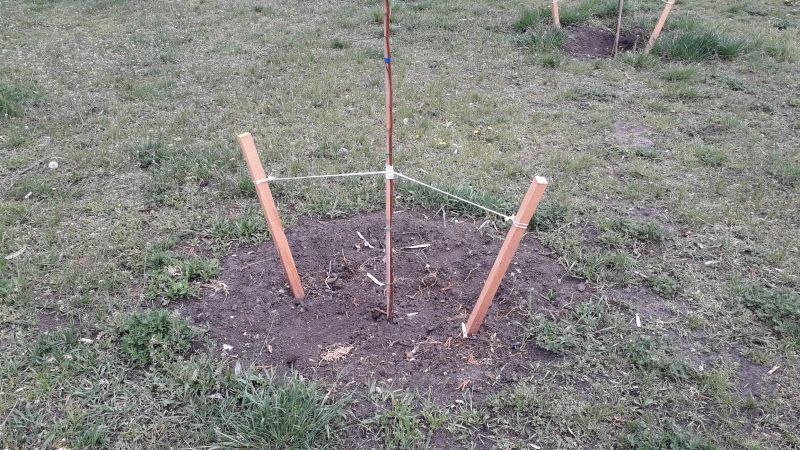
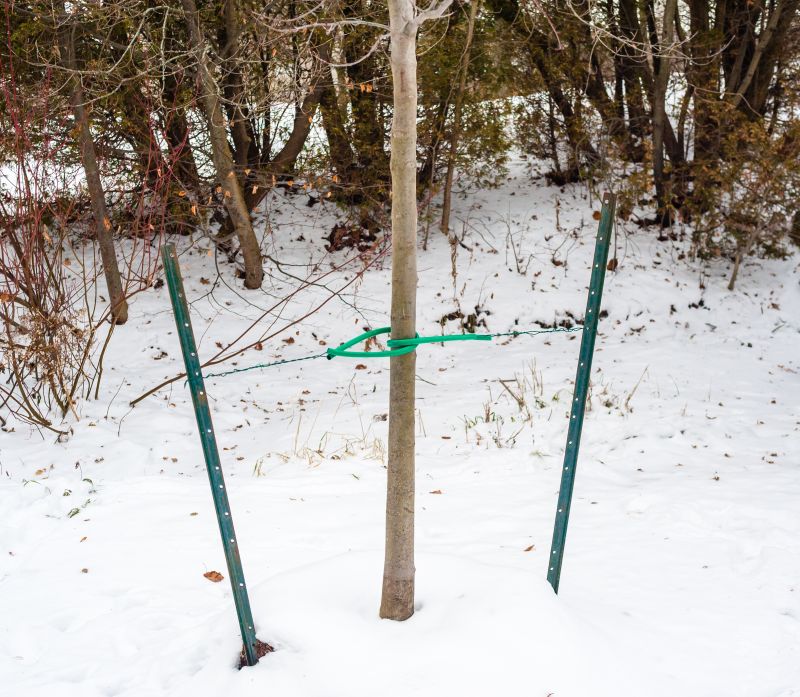
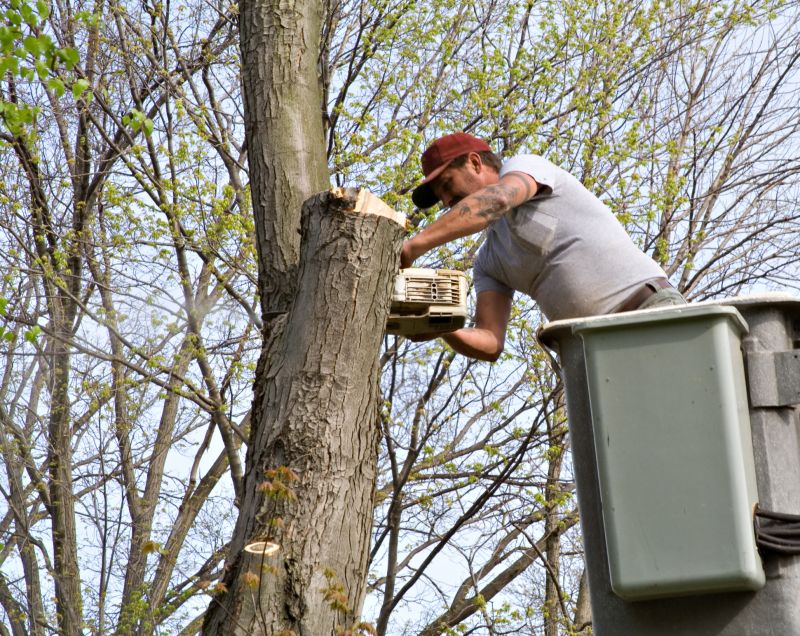
Tree staking services involve installing supportive stakes and ties to help young or newly planted trees establish a strong, stable foundation. This process typically includes selecting appropriate stakes, positioning them correctly, and securing the tree to prevent unwanted movement. Proper staking ensures that the tree can develop a straight trunk and strong root system, especially during its early growth stages. Service providers focus on using materials and techniques that support healthy development without causing damage to the tree’s bark or trunk.
Staking trees can help address a variety of problems, particularly those related to wind, storms, or unstable soil conditions. Without proper support, young trees are more vulnerable to leaning, tipping over, or suffering trunk injuries. Staking also reduces stress on the tree during adverse weather, giving it a better chance to grow upright and develop a resilient structure. Additionally, staking can be beneficial for trees planted in exposed or high-traffic areas where physical disturbances might otherwise hinder growth.
This service is commonly used on residential properties, commercial landscapes, parks, and other outdoor spaces with newly planted or recently transplanted trees. Homeowners with large trees that have become unstable or are at risk of falling may also seek staking services to protect their property and ensure the health of their trees. Properties with challenging soil conditions, strong winds, or frequent storms often benefit from professional staking to provide extra stability during critical growth periods.
Homeowners and property managers who notice a leaning or unstable tree, or those planning landscape improvements, might consider tree staking services. This work is especially relevant when planting new trees, replacing damaged ones, or addressing trees that have been affected by weather events. By working with experienced local contractors, property owners can ensure that their trees receive proper support, helping them grow safely and maintain their aesthetic appeal over time.
The overview below groups typical Tree Staking Service projects into broad ranges so you can see how smaller, mid-sized, and larger jobs often compare in Houston, TX.
In many markets, a large share of routine jobs stays in the lower and middle ranges, while only a smaller percentage of projects moves into the highest bands when the work is more complex or site conditions are harder than average.
Smaller Repairs - Most minor tree staking jobs in Houston typically cost between $250 and $600. These projects usually involve securing young or small trees and are common for routine maintenance. Costs tend to stay within this range for standard, straightforward jobs.
Moderate Stabilization - Mid-sized projects, such as staking larger trees or multiple trees at once, often fall between $600 and $1,200. Many local contractors handle these jobs regularly, with costs increasing for additional trees or more durable staking materials.
Full Tree Support - Larger, more complex staking projects, including trees with extensive root systems or those needing specialized supports, can range from $1,200 to $3,000. These projects are less frequent but necessary for mature or high-value trees requiring extra care.
Complete Tree Staking and Removal - Extensive services that combine staking with tree removal or replacement can exceed $3,000, with some larger or more intricate projects reaching $5,000 or more. Such jobs are less common and typically involve significant planning and equipment, handled by experienced local contractors.
Actual totals will depend on details like access to the work area, the scope of the project, and the materials selected, so use these as general starting points rather than exact figures.
Tree Planting Projects - Local contractors experienced in tree planting often utilize staking techniques to ensure young trees establish properly and grow strong.
Landscaping and Garden Design - Professionals in landscaping frequently incorporate staking methods to support new trees and large plants as part of their overall design plans.
Urban Forestry Initiatives - Urban forestry projects involve planting and maintaining trees in city environments, requiring staking to protect and stabilize young or vulnerable specimens.
Storm Damage Recovery - Contractors restoring damaged landscapes may use staking to support trees that have been uprooted or weakened by severe weather events.
Tree Pruning and Care - Tree care specialists often implement staking during pruning projects to help young or weakened trees recover and maintain proper growth direction.
Erosion Control Projects - Erosion control efforts that involve planting trees on slopes or disturbed soil often require staking to secure the trees and prevent movement.
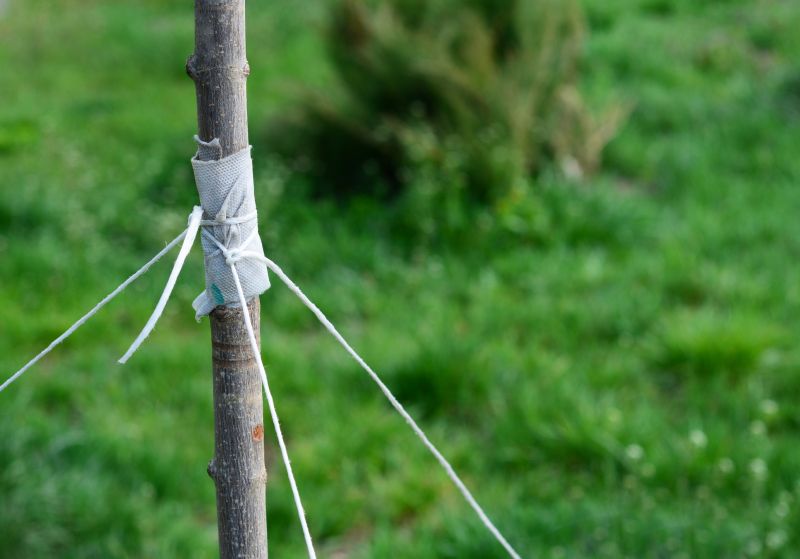
When selecting a service provider for tree staking, it’s important to consider their experience with similar projects. Homeowners should look for local contractors who have a proven track record of working with trees of comparable size, species, or conditions. An experienced professional will understand the nuances involved in staking different types of trees and can recommend the most appropriate methods to support healthy growth and stability. Asking for examples of past work or references related to tree staking can help gauge their familiarity with this specific service.
Clear written expectations are essential for ensuring that both the homeowner and the contractor are aligned on the scope of work. When comparing local options, it’s helpful to review detailed descriptions of the services offered, including what is included and what is not. This transparency helps prevent misunderstandings and ensures that the contractor’s approach matches the homeowner’s needs. A reputable service provider will be willing to provide a comprehensive outline of the work process, materials used, and any follow-up recommendations, fostering confidence in their professionalism.
Effective communication and reputable references are key indicators of a reliable local contractor. Homeowners should seek service providers who are responsive and willing to answer questions about their experience, methods, and previous projects. Additionally, checking references or reviews from past clients can provide insight into the contractor’s reliability, workmanship, and ability to meet expectations. While the site introduces homeowners to local options, it’s important to remember that the actual work will be handled by these experienced service providers, making thorough comparison and communication vital steps in the selection process.
Property owners in Houston, TX use Tree Staking Service services for practical projects around their homes and businesses. This guide focuses on everyday jobs and straightforward project options.
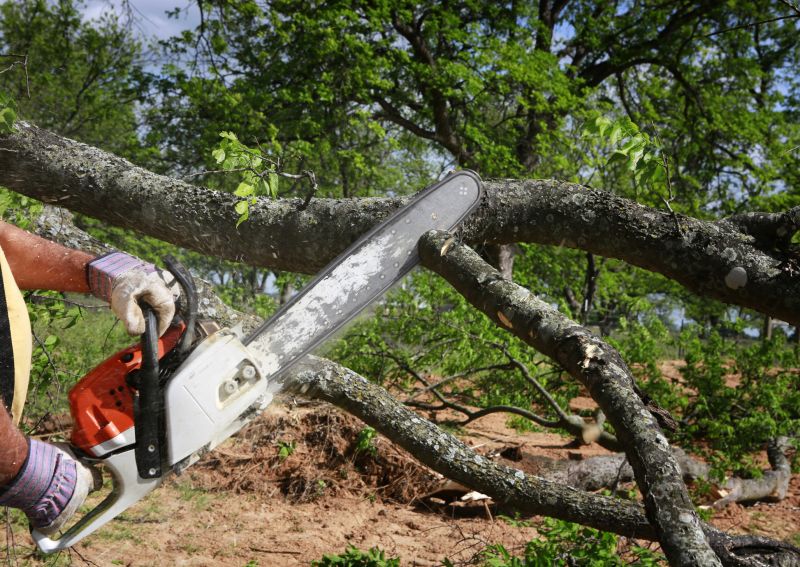
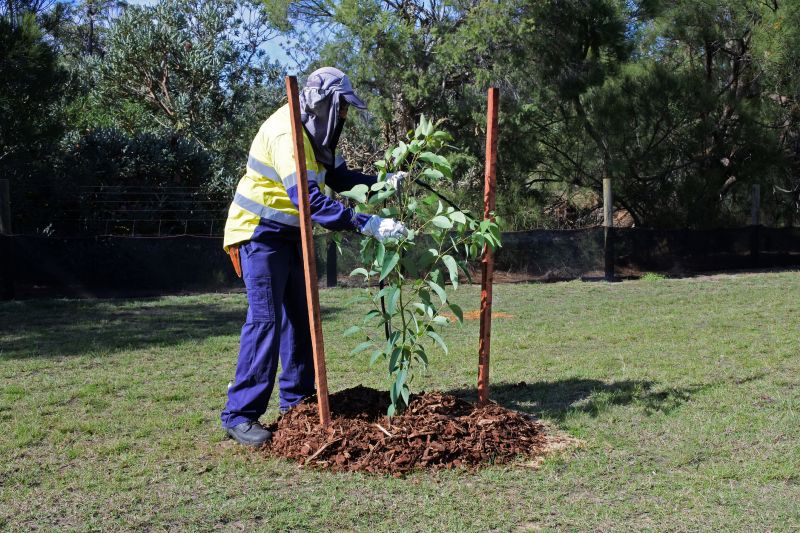
Tree staking services are often needed when property owners in Houston, TX, want to ensure young or newly planted trees remain stable as they establish roots. This can be especially important after storms or strong winds, which are common in the area, to prevent trees from leaning or toppling over. Additionally, homeowners and landowners may seek staking for trees that are located near structures, driveways, or walkways, where falling or leaning trees could pose safety concerns or cause property damage.
In other cases, property owners might look for tree staking to support trees that have been damaged or stressed due to drought, pests, or construction activities. Local contractors can help secure these trees, providing stability until they recover or grow stronger. Whether for aesthetic purposes or safety considerations, many in Houston find that professional tree staking services help protect their landscape investment and maintain a safe outdoor environment.
What is tree staking service? Tree staking service involves installing support stakes and ties to help young or newly planted trees grow straight and stable, preventing damage from wind or other elements.
Why should I consider tree staking for my property? Tree staking can promote healthy growth and ensure stability during the early stages of a tree’s development, especially in areas prone to strong winds or unstable soil.
What types of trees can benefit from staking? Most young or recently transplanted trees, including saplings and smaller landscape trees, can benefit from staking to provide support as they establish roots.
How do local contractors typically install tree stakes? Contractors usually use durable stakes made of wood, metal, or plastic, securing them with ties that allow some movement while supporting the tree’s trunk.
Is tree staking a permanent solution? No, stakes are generally removed once the tree has established a strong root system and can stand independently, usually after one to two years.
Tree Staking for New Plantings - Property owners can use staking services to support newly planted trees, ensuring they grow straight and stable in the Houston area.
Staking for Mature Trees - Local contractors can help stabilize older trees that may be leaning or at risk of falling during storms or high winds.
Protecting Trees During Construction - Staking services can safeguard existing trees from damage caused by nearby construction activities or landscaping projects.
Supporting Trees in Wind-Prone Areas - Property owners in areas with strong winds can have trees staked to prevent uprooting and maintain landscape safety.
If you are thinking about Tree Staking Service for a property in Houston, TX, this guide is meant to help you understand the work, the typical project types, and how different options might fit your plans.
When you are ready, you can use the quote form on this page to share a few details about your project. From there, local pros can review the basics and respond with options that match what you have in mind.